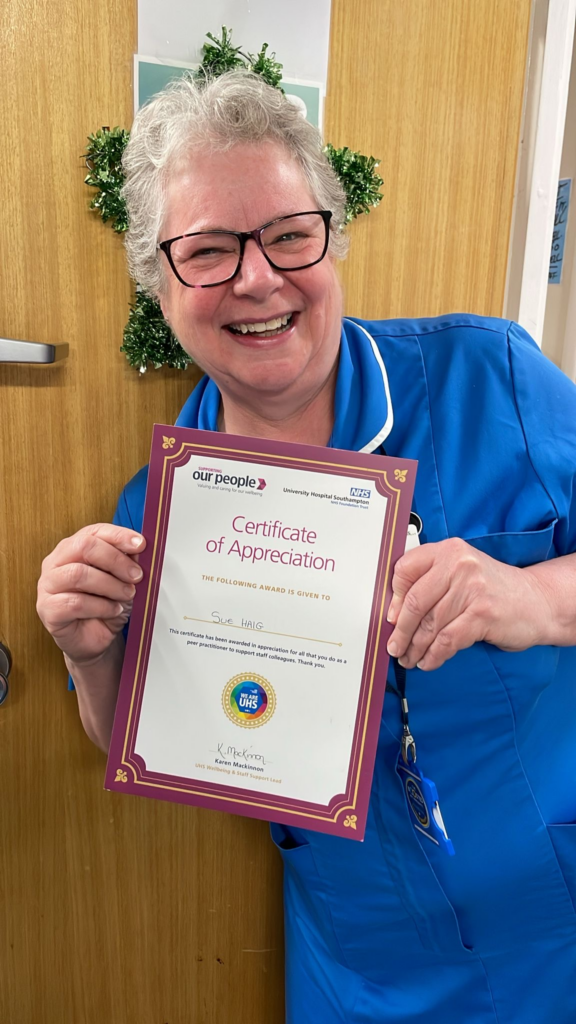

Cancer nurses are registered nurses who specialise in working with patients who have cancer and those at risk of developing cancer. They play an integral role within the multidisciplinary team, contributing to the prevention, diagnosis, treatment, and management of cancer symptoms, in addition to providing palliative care. Cancer nurses work across a variety of settings, such as hospitals, hospices, and community services.
They are uniquely positioned to offer comprehensive, patient-centred care, ensuring that the emotional, physical, and psychological needs of both patients and their families are met during what is often a challenging and difficult time. With various specialties within the field of cancer nursing, it is a dynamic and rewarding career choice that offers numerous opportunities for professional growth and development.
Cancer Nursing Roles
Click on the links to find out more about nursing careers:
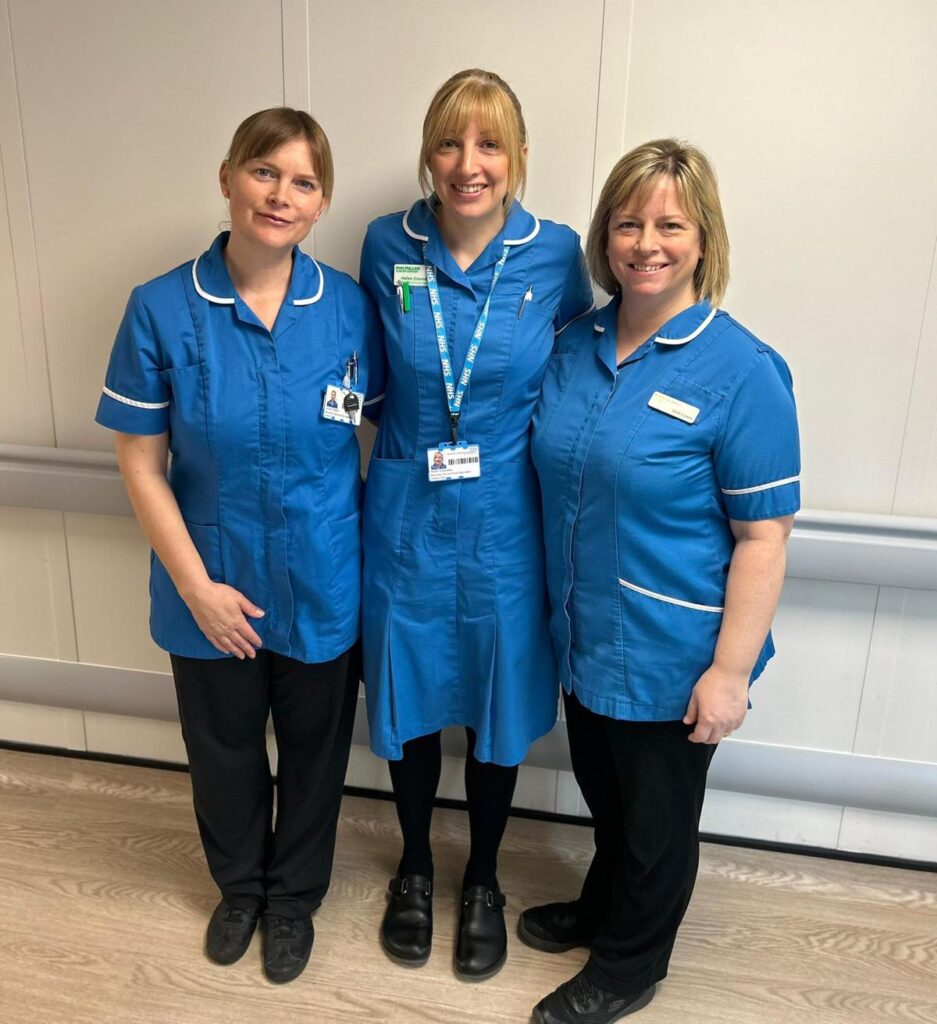
There are many other roles, including general practice nurse, palliative care nurse, acute oncology service (AOS) nurse, lead cancer nurse and consultant nurse.
For more information about nurses in cancer care you can visit the Macmillan Cancer Support website:
How Patients are Supported by Cancer Nurses
Cancer nurses are at the forefront of patient care with such a variety of roles supporting across the patient journey. Some nurses will primarily look after patients when they have to stay in the hospital, others will be delivering treatment directly to their patients. Others support the patient when they receive their diagnosis and take time to consider the wider impact on their health and wellbeing. Some nurses are running clinical trials, trying to find new and effective treatments for the future whereas others will only see patients when they arrive at the hospital acutely unwell or are needing care at the end of their lives. All roles are essential and complement one another.
Here’s a patient perspective on how Andrea’s CNS made such a difference to her treatment.
Education and Development for Cancer Nurses
Our priority in Wessex is about investment in cancer nurses, ensuring they are valued as experts, and that they are in the right place at the right time, in the right numbers to deliver comprehensive, personalised care for patients. We want nurses to have access to training and development that provides a range of skills and capabilities to deliver the breadth of care required by cancer patients across the care pathway.
The Aspirant Cancer Career and Education Development programme (ACCEND) has been designed to support practitioners at all levels of the career pathway to develop the core knowledge, skills and behaviours to care for people affected by cancer.
You can find out more information on the ACCEND webpage, including the section for the registered workforce.
We have partnered with the Greater Manchester Cancer Academy to provide the Cancer workforce in Wessex with access to a digital, interactive ePortfolio to support you with your ACCEND journey. Find out how to register via our dedicated portfolio page.
If you are an nurse working in cancer care or are interested in learning more about how you could support patients receiving treatment for or living with cancer please visit our Education and Training page to see a range of training resources that may support your personal and professional development.
There are also a number of specific opportunities aimed at the registered workforce including Cancer MSc modules, site specific cancer knowledge, and advanced practice.
Our symposiums are held quarterly and are advertised in advance on the training calendar.
Each symposium has a specific focus and provides the opportunity for cancer nurses to network with AHP colleagues, and support the development of an integrated cancer workforce across Wessex.
National Cancer Clinical Nurse Specialist (CNS) Day
Each year we celebrate National CNS Day. Each year has a different theme which highlights the invaluable work of this specialist cancer care nurse.
The Cancer Clinical Nurse Specialist role requires advanced interpersonal and communication skills to effectively engage with individuals, carers, and colleagues in clinical settings. CNSs undertake complex assessments and implement interventions to meet individual needs across the trajectory of illness in cancer. They are able to assess and manage symptoms, make appropriate, evidence-based judgements and/or diagnoses and provide specialist interventions for complex symptom management. They ensure the patient and their families are at the centre of their own care, providing guidance, advice, and support regarding the management of their condition. They also work with other teams and agencies to integrate cancer care. Beyond this a CNS would provide clinical leadership, expert practice, education and research as well as service development and redesign to support the development of their teams, services and research for their patients.
Cancer Clinical Nurse Specialist Day 2026
Resources for Cancer Nurses