

What is Lynch Syndrome?
Lynch syndrome is a genetic condition that runs in families. Individuals not only carry a significantly higher lifetime risk of cancer than the general population, but their family members may also be affected.
It makes those living with the condition more likely to develop particular types of cancer, especially colorectal (bowel cancer) and endometrial (womb) cancer, and to a lesser degree ovarian cancer. It was formally known as Hereditary nonpolyposis colorectal cancer (HNPCC).
Lynch syndrome affects one of the body’s DNA repair systems so it doesn’t work as it should, raising the chance of certain cancers developing. Many people with Lynch syndrome never develop cancer and live full, healthy lives, while developments in prevention, screening, and treatment are further improving outcomes.
Presentations from our education event are available to watch below.
What You Need to Know
It is important to review some areas of care that individuals receive, ensuring that they are provided with the latest advice. Many of those with Lynch syndrome are experts on their condition and aware of updates through forums, charities and their hospital team.
- It has been estimated that between 1:270 to 1:400 people in the UK have Lynch syndrome, but only 5% of them know they have it. Both males and females in all ethnicities can be affected.
- Check that Lynch Syndrome is coded (SNOMED 716318002) including which gene is affected (MLH1, MSH2, MSH6, PMS2 or EPCAM).
- Flag that this individual is high risk of developing cancer. Have a low threshold to investigate and refer both them and family members.
- Confirm that patient is linked into the national Bowel Screening Programme. People with a MLH1 or MSH2 or EPCAM gene change will usually be invited just after their 25th birthday. People with a MSH6 or PMS2 gene change will usually be invited just after their 35th birthday.
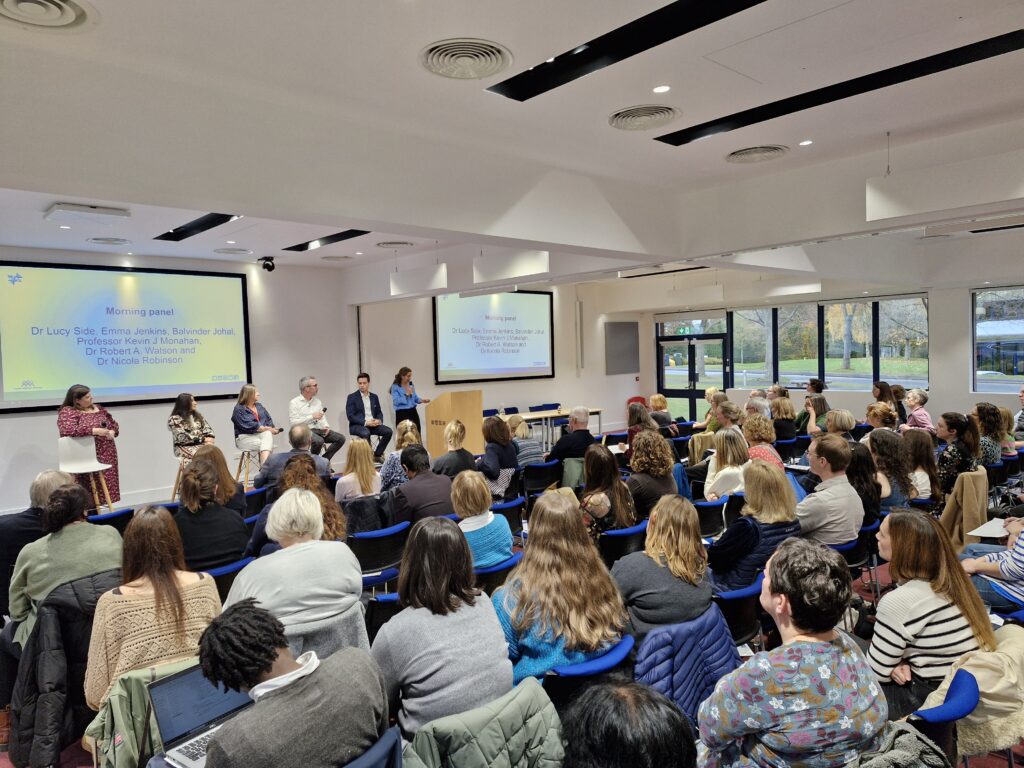
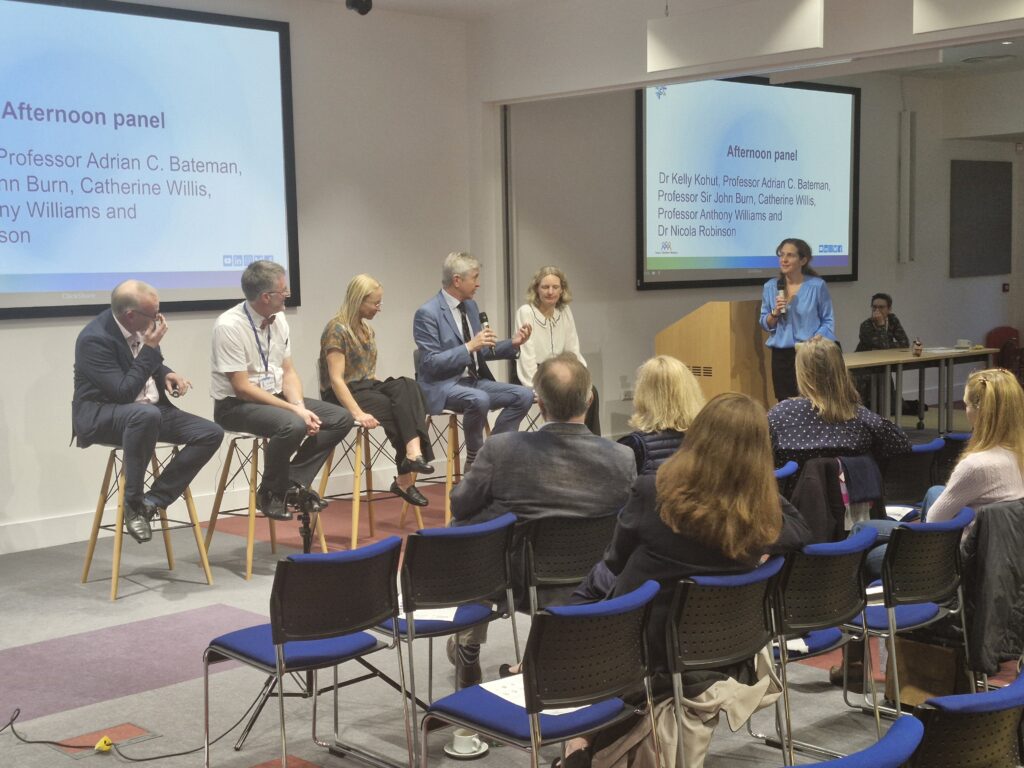
Lynch Syndrome Education Event 2025
On Friday 7th November, Wessex Cancer Alliance and Central and South Genomics organised and ran a full-day education event about Lynch syndrome for healthcare professionals.
A local audit of patients diagnosed with Lynch syndrome indicated that many were not getting the treatment, follow-up and support they needed. It also indicated that awareness of Lynch syndrome and its management in health professionals was low and they wanted more information.
We were delighted to be joined by several expert speakers in the field of Lynch syndrome. The day covered clinical management, service integration, education and research from the point of diagnosis in the lab, tissue groups affected, risk reduction (screening, aspirin (CAPP3), vaccines), treatment options, patient experience and how we can work together to improve this, and educational resources for patients/families and healthcare professionals.
You can view some of the presentations from the event below.
Feedback: Attendees said that coming to the event has increased clarity on Lynch syndrome and proactive approaches to it, treatment options, cancer risk and knowledge of resources to increase confidence in their communications. They will be able to provide better support and appropriate care to patients.
1. Dr Nicola Robinson Lynch Syndrome Education Event Introduction
2. Dr Lucy Side – Lynch Syndrome and the role of the specialist
3. Balvinder Johal – Patient Experience
4. Patient Voice presentation – Lynch Syndrome Event, 2025
5. Professor Kevin Monaghan – Lynch Syndrome National Projects and Colorectal Cancer Management
6. Dr Kelly Kohut and Dr Nicola Robinson – Patient Resources
7. Catherine Willis Presentation – The Wessex Lynch Project
8. Professor Sir John Burn – Aspirin Chemoprevention in Lynch Syndrome CaPP3
9. Professor Adrian C Bateman – DNA Mismatch Repair
10. Professor Anthony Williams: Genomic Medicine Service Exemplar
Lynch Syndrome information for Primary Care: WCA LIS 2026/27
These documents provide information about Lynch Syndrome (LS) and are designed to support you to review and manage your patients with this condition.