careers in cancer

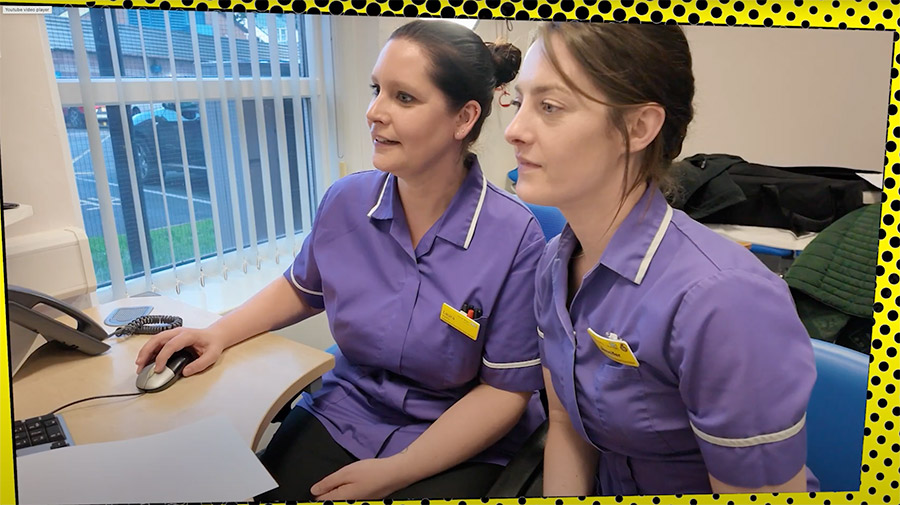
A Cancer CNS is a senior nursing role which focuses on information and support needs of the patient and their families. They tend to work in a specific cancer site and build extensive knowledge of the clinical and broader needs of patients with that cancer. They typically first meet patients at the point they are diagnosed with cancer and become an essential contact and support as they progress through treatment and beyond.

As a CNS you are most likely to:

  • Work in a hospital Trust seeing and speaking with patients who have been diagnosed with cancer as well as their family members;
  • Attend and deliver clinics to support patients and to provide information, decision making support, specialist knowledge in relation to all treatment
  • Visit patients who have to spend some time in hospital planning interventions to support all of their health and wider needs
  • Take each individual patients holistic needs into consideration helping them to understand and make decisions about their care;
  • Become a point of contact for patients with questions or worries;
  • Help to guide a patient through their cancer journey providing support, information and specialist knowledge, symptom management, toxicity management, psychological care;
  • Make referrals to other services that are needed by the patient.
  • Develop the role in line with the National Cancer Education Programme ACCEND to achieve independent practice.
Entry Requirements

To become a CNS you will need to be a registered nurse ideally with post graduate training in oncology, advanced communication, and Psychological support. Degree/Masters level education is desirable Oncology (cancer care) experience/interest is essential.

To become a registered nurse you need will need at least five A-C/9-4 grade GCSE’s including English, maths and a science
You will also need at least two (preferably three) A-Levels including Biology

Training Routes

The most common route into nursing is by completing a nursing degree, you can opt for adult or children and young peoples nursing.
You may also be able to train via a nursing apprenticeship degree.
If you are not ready to think about a degree, an alternative career route would be to progress through other roles building up to your nursing degree. Roles to consider include Healthcare Assistant followed by a Nursing Associate.

Key Skills

You will:

  • Be a knowledgeable clinician understanding the impact of specific cancers including the treatments and side effects;
  • Be an excellent communicator able to work closely with patients and colleagues;
  • Be able to consider each patient as an individual to understand how you can best support them;
  • Be able to work with patients who may express a variety of emotions;
  • Manage your priorities and be flexible in your approach throughout each day;
  • Have the ability to solve problems and to work under pressure;
  • Have leadership and management skills;
Cancer Clinical Nurse

Pay and benefits

Cancer Clinical Nurse Specialists are paid on the Agenda for Change (AfC) pay system with roles starting at a Band 6 and progressing to a band 7 or 8 for more experienced CNS’s. 

Career Development

Cancer Clinical Nurse Specialists may choose to move to other departments within cancer care to broaden their experiences.

In some Trusts senior or lead CNS roles are available which enables progression.

Other more senior nursing roles such as a matron or Lead nurse are available, however these roles typically have more focus on management, leadership, service and budget requirements reducing the amount of patient contact you would have.

Accessibility Toolbar