

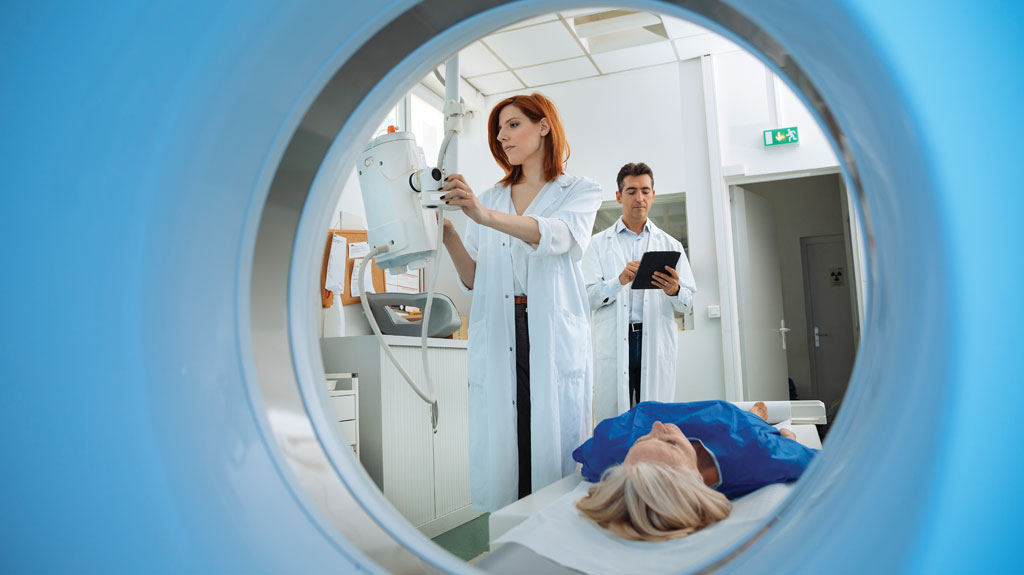

Diagnostic capacity has historically been a limiting factor on faster diagnosis and the emergence of COVID-19 has put further pressure on this with infection control measures and associated delays. Understanding the capacity across the system both prior to and now during the COVID response, will be essential to supporting the restoration and recovery of cancer services and enabling the achievement of the 28 day standard (28FDS).
Plans for COVID-protected diagnostic hubs/environments should identify and secure capacity for diagnostics in a way that protects staff and patient safety by:
- identifying and ring fencing local capacity (including from the independent sector) to support the restoration of diagnostic capacity (including for surveillance tests);
- ensuring sites where diagnostic tests are taking place are COVID-protected, and consolidating kit and workforce in these sites where possible; and
- incorporating new guidance on adaptations to pathways required to maximise productivity and reduce the risk of COVID-19 infection.
Make the best use of the capacity available for diagnostics in a way that is equitable, safe and promotes the best possible outcomes by:
- ensuring there is a mechanism for clinical prioritisation of patients waiting for diagnostics so that all diagnostic activity across WCA is managed efficiently, equitably and in accordance with clinical need;
- accelerating the adoption of Rapid Diagnostic Centre principles as set out in the specification, including centralised, virtual triage to prioritise backlogs and allocate patients to appropriate tests; and̶ hot reporting and multiple same-day tests/one stop clinics where possible to minimise patient visits to hospital;
- ensuring guidance for essential endoscopy services is implemented and plan on the basis that many patients normally receiving endoscopy will initially require CT imaging, and some will then need endoscopy to collect tissue; and accelerating any plans for high capacity networking imaging and pathology services to help increase productivity.
Looking to the next phase of our work, Wessex Cancer Alliance working with the national team and their system partners, will quantify the size of the additional backlog of patients requiring diagnostics and treatment and the service type and activity volumes that will be needed.