

The Personalised care module enables individuals working within teams to consider how they could further develop personalised cancer care pathways; the aim being to improve patient experience and outcomes. The presentations at the end of the module were professional, well considered and demonstrated the benefit of their learning. Great to see the students so enthusiastic about their projects and their proposed service improvements
Principles of Personalised Care Module
Monday 9th September was the assessment day for the Principles of Personalised Care module. It was an opportunity for the students to showcase what they had learnt during the module and how they had applied it to their clinical practice.
This module was created as part of an Alliance project, funded by Health Education England. The module was designed in partnership with the University of Southampton (UoS), using their Work-based Learning modules. This means that the module content can be personalised to meet the specific learning needs of the student group. Academic support and accreditation are provided by the University. A steering group of experts was formed from Wessex Cancer Alliance and UoS with patient group representatives, to design the module format and create the content.
The module is structured around the 6 domains of personalised care:

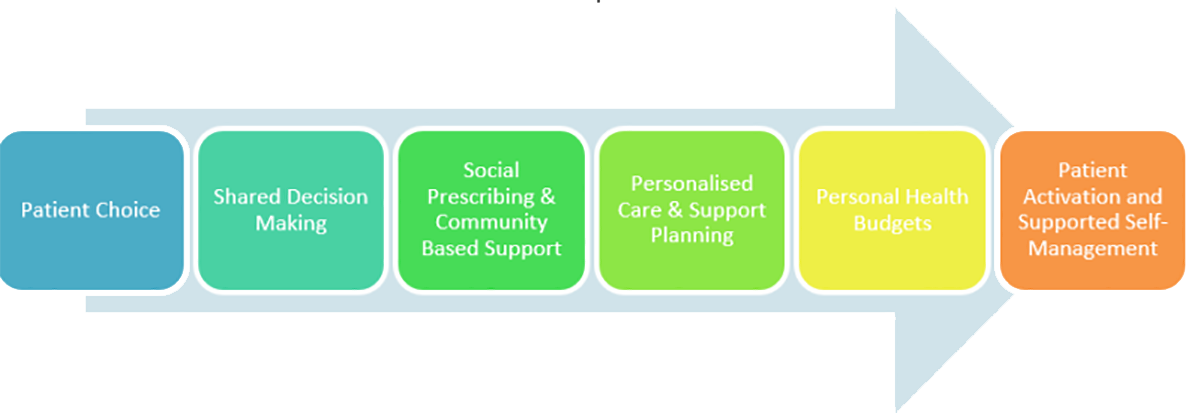
We explored areas associated with the domains:
- Values and self-awareness – how we interact with others
- Lived experience of Personalised Care
- Survivorship
- Commissioning – delivered by our colleagues from the ICB.
- The third sector and how they provide and support personalised care.
- Prehab and rehab
- A 2-day health coaching workshop
- Health inequalities was a theme throughout the module.
The students were asked to complete a task during the module where they looked at their own service and other departments associated with their service from the patient’s point of view – what they experienced and what could be changed to improve the patients experience.
We looked at how to bring Personalised Care into our teams, exploring what others have done and how other teams work. We heard from students from cohort 1, how they had taken their module projects forward and the impact on those in their care. We looked at how to implement change using QI skills.
The module is assessed by attendance of the 6 taught days delivered by experts (from the steering group); Completion of a workbook that complements the taught content; and a Presentation – assessed by UoS = 10 ECTS (20 CAP points)
The module content has been mapped to the ACCEND framework too.
The module is part of an academic pathway created by Wessex Cancer Alliance and UoS – the modules were mapped to an existing UoS pathway = Masters in Professional Practice in Health Science.
The module can also be studied as a stand-alone entity. Find out more here.

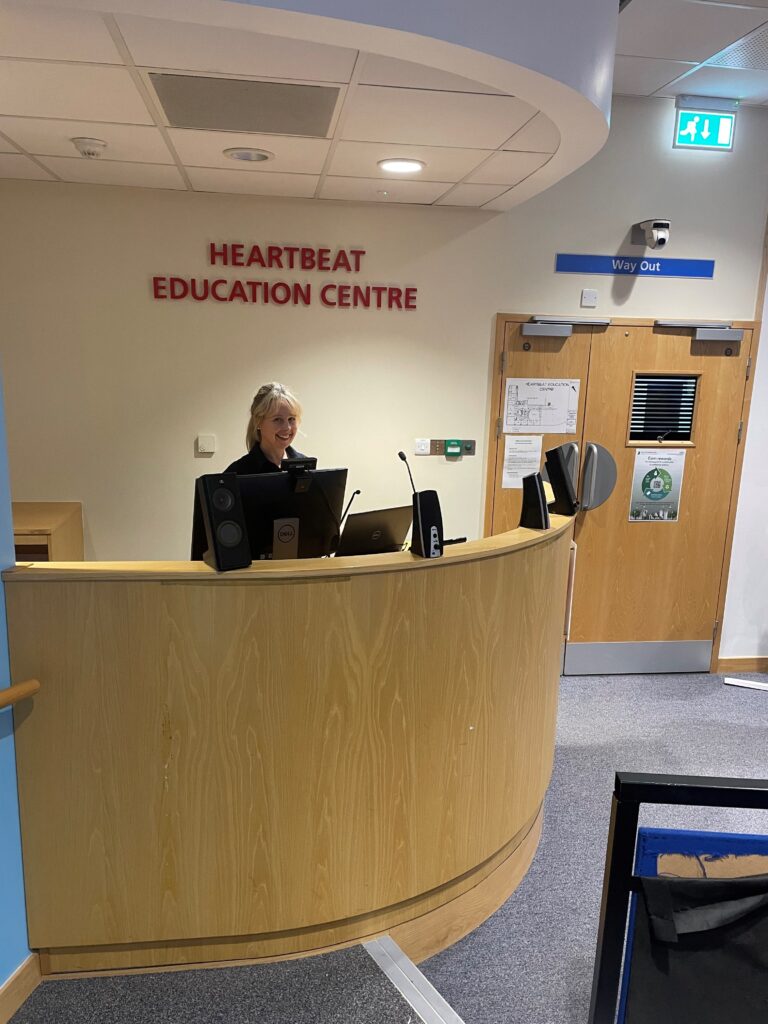
Thirteen students completed the module and presented their work to an invited audience at The Heartbeat Education Centre SGH. The students were mainly CNSs from various specialist teams from the Trusts across the region, a ward-based senior nurse and an AHP. The audience consisted of the students’ managers, speakers from the module, the Lead Cancer Nurses from the Wessex region and members of the module development steering group, including colleagues from UoS who assessed the students work. A range of topics and projects were presented by the students, all based around the domains of personalised care and all with the aim of improving the patient’s experience. The students had 15 minutes to present their work and were then able to take questions from the audience.
It was an inspiring day and highlighted the importance of personalised care – congratulations to the students for their engagement with the module and for all their hard work.
Many thanks to all those involved – from WCA, UoS and the patient representatives – with the creation and delivery of this high-quality academic module. Thank you to the students’ managers for supporting their colleagues and to the Lead Cancer Nurses for their support.
Student Quotes:
“I really enjoyed the taught content of the module, I found it stimulating and encouraged me to reflect on my practice and consider possible improvements that could be implemented. I particularly enjoyed the group discussions and the health coaching days, and I do feel that my practice has changed as a result.”
“Thank you for the opportunity.”
“This is the first course that has really inspired me to make positive changes in practice. It was fantastic to listen to a great variety of speakers. The health coaching was particularly interesting.”
“The Personalised Care Module has helped me to gain a better understanding of how to support patients manage their own health whilst also encouraging me to look at how we can improve personalised care offered to our patients within the breast cancer nursing service.”
“The personalised care module gave a broad and detailed overview of the six principles of personalised care. The content was interesting and relevant to practice. There were a wide range of speakers included patient experience. There were opportunities to share practice with colleagues and interactive sessions which facilitated learning. Thank you to the alliance and tutors and a special mention to Helen Perry.”
Quotes from the Lead Cancer Nurses:
The Personalised Care Module funded by the Wessex Cancer Alliance has enabled Cancer Health Care Professionals to have the time, resource, and support to reflect on their practice, research models of improvement and demonstrate the aspirations for service development.
The presentations from each of the ‘students’ illustrated the benefit of enabling clinical staff to evaluate their impact on patient care and to create a plan for improvement.
Thank you for inviting me to the Personalised Care module presentation day; this was a great day and showcased some fantastic development ideas for improving personalised care for people living with cancer. Congratulations to all the students as they all were able to show their understanding and passion for improving lives for people with cancer.
It was an interesting day, highlighting the importance of personalised care – congratulations to the students. Many thanks to the steering group and the speakers for creating and delivering a high-quality academic module; to the students’ managers for supporting their colleagues; and to the Lead Cancer Nurses for their support.