

On 6 August 2026, Portsmouth Hospitals University NHS Trust (PHU) hosted Cancer Prehabilitation in Practice, bringing together colleagues and partners from across health, care, academia, local government, leisure services and the voluntary sector to explore how cancer prehabilitation can be strengthened across Portsmouth and the wider system.
People with lived experience also joined the session to help shape the development of a universal prehabilitation offer for people diagnosed with cancer.
More than 50 attendees joined the event, representing PHU, Wessex Cancer Alliance, Portsmouth City Council, the University of Portsmouth, community and leisure providers, Macmillan Cancer Support and other organisations with a shared interest in improving outcomes and experiences for people affected by cancer. This diverse attendance reflected a shared commitment to improving access to cancer prehabilitation across the local system.
The event highlighted the growing importance of cancer prehabilitation as part of high-quality cancer care. Through presentations and interactive workshops, attendees explored how physical activity, nutrition, psychological wellbeing and personalised support can help prepare people for cancer treatment, improve recovery and support quality of life.
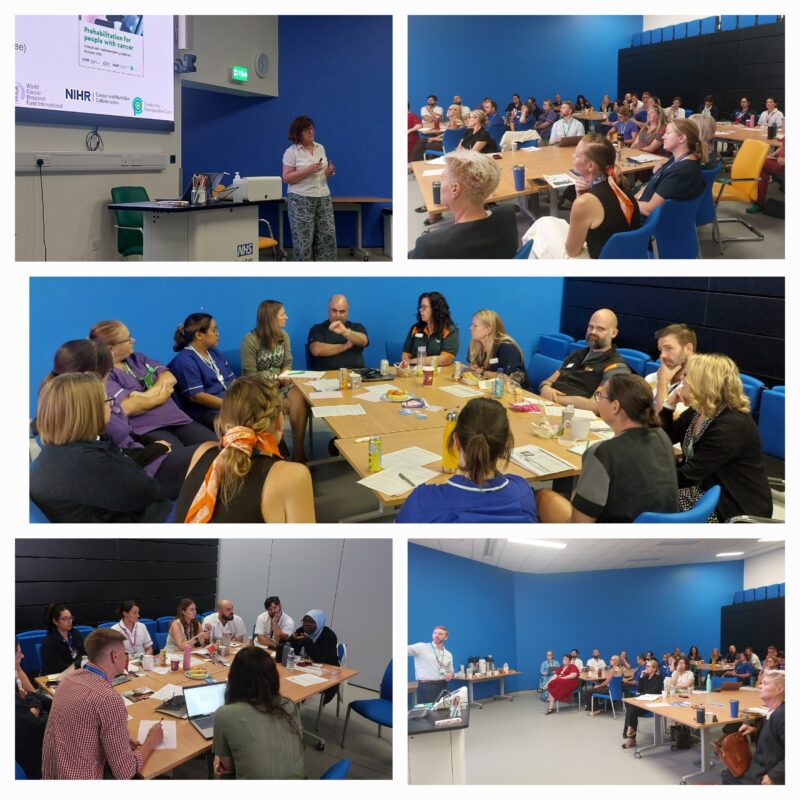
Agenda of the Day
The morning programme featured presentations from June Davis, Jane Winter, Kate Watts, Matt Powls and Andrew Merwood, who shared national developments, local initiatives and opportunities for future collaboration. Sessions covered prehabilitation guidance and implementation, the national context and opportunities for PHU, Surgery School, organisational commitment to prehabilitation, and psychological support across the cancer pathway.
A key theme throughout the day was the importance of partnership working. Participants repeatedly highlighted the value of bringing together professionals from different organisations and sectors to share learning, explore opportunities and identify practical ways to strengthen cancer prehabilitation across the local system. Feedback described the event as “excellent and inspiring”, “a very productive start to this important work” and “a great opportunity to bring together people wanting to achieve the same result for patients”.
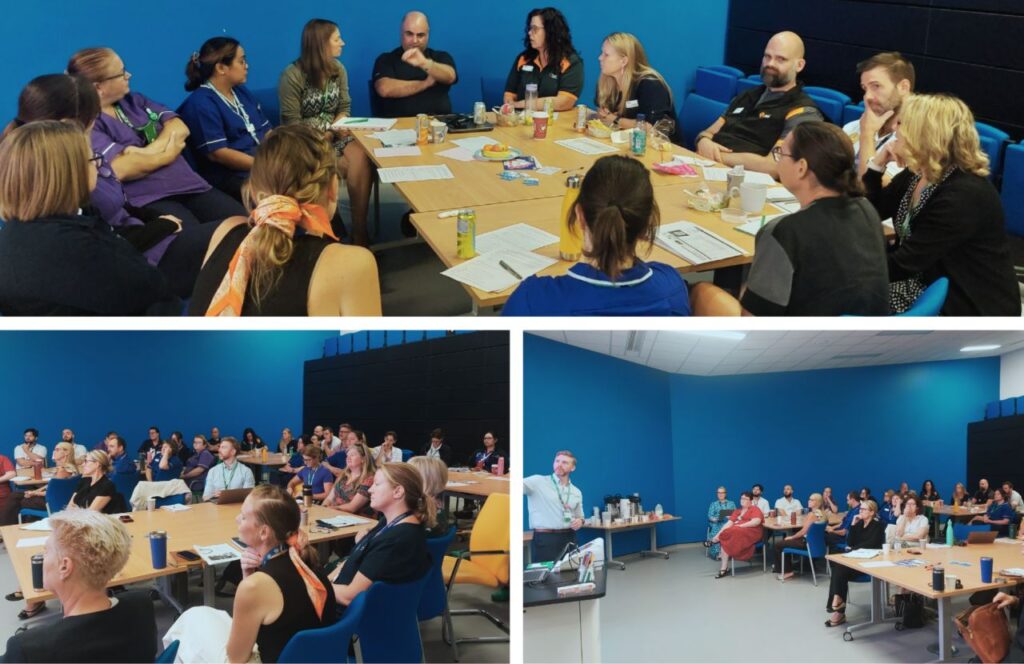
Workshops
Workshop discussions focused on the current state of cancer prehabilitation, future ambitions for PHU and priorities for action over the next 12 months. Participants identified several common themes, including:
- Earlier and more consistent screening for prehabilitation needs
- Improved referral pathways and access to services
- Better integration between hospital, community and leisure providers
- Greater use of digital solutions and outcome measurement
- Stronger coordination, leadership and communication
- Reducing inequalities and improving equitable access to support for all patients.
There was also strong support for building on existing strengths, including Surgery School and personalised care initiatives, while making better use of community assets and partnerships. Attendees recognised the important role that community organisations, leisure providers and voluntary sector partners can play in supporting patients before, during and after cancer treatment.
Discussions highlighted a clear appetite for collaboration and action. Participants identified the need for a more coordinated approach to prehabilitation, supported by improved screening, stronger links between services and increased awareness of existing community resources. There was widespread recognition that prehabilitation should become a routine part of cancer care rather than an additional offer available only to selected groups of patients.
Key themes from the discussions included:
- Information alone is not enough; people value support and guidance to help them take action.
- The timing of support is crucial, particularly soon after diagnosis when patients may feel overwhelmed.
- Resources should be tailored to individual needs rather than adopting a one-size-fits-all approach.
- Lived experience and peer support are highly valued and could play an important role in successful prehabilitation.
- Family members and carers should be included in support where appropriate.
- Short videos and digital resources were preferred, although alternative formats must be available to ensure accessibility for everyone.
- Existing community, voluntary sector and peer support networks should be embedded within the model.
- Clear ownership and coordination are essential to ensure people know where to access support.
The feedback gathered will now help inform the next phase of development for the Wessex Universal Prehabilitation Offer. The project team will review the themes identified, explore options for personalised delivery and lived experience support, and continue to involve people with lived experience through future co-design opportunities.
Evaluation
Evaluation feedback demonstrated that the event successfully increased understanding of cancer prehabilitation and helped participants identify opportunities within their own areas of practice. Many attendees expressed a desire to remain involved in future work, contribute to working groups and help shape a coordinated approach to prehabilitation across PHU and the wider system.
The event demonstrated both the enthusiasm and expertise that already exist across PHU and its partner organisations. Perhaps most importantly, it created new connections between people who share a common ambition: ensuring that every person affected by cancer has access to the right support, at the right time and in the right place.
The conversations started on the day will continue through future collaborative work focused on developing a coordinated and sustainable approach to cancer prehabilitation across Portsmouth and the wider system. Outputs from the event will help inform future partnership working, service development and implementation planning, with the ultimate aim of improving outcomes, experience and recovery for people affected by cancer.
I am incredibly proud of the energy, collaboration and shared ambition that people brought to this event. It was wonderful to see so many individuals and organisations coming together with a common goal: improving outcomes and experiences for people affected by cancer. The day created new connections, generated practical ideas and, most importantly, established a strong foundation for the next phase of this work. I am excited to build on this momentum and continue working with colleagues and partners to strengthen cancer prehabilitation across PHU and the wider system.
Edit Galambos
Lead Cancer Nurse, Portsmouth Hospitals University NHS Trust