

Wessex Cancer Alliance and our Workforce
June 30th 2023 saw the launch of the long awaited NHS Long Term Workforce Plan which builds on the valuable work in both the NHS People Plan and the NHS People Promise
The Plan is intended to be the start of an ongoing programme of work that becomes an established part of how the NHS plans for, and delivers, its services for patients and the public. It requires an integrated approach to planning and delivery, bringing together workforce planning with service and clinical strategies and financial planning for the long term, so we have a sustained and responsive approach that reflects changes in demand, services and wider factors.
The new workforce plan explicitly acknowledges that NHS staff put in an incredible effort in enormously challenging circumstances and that simple productivity measures will never be able to fully capture the vast amount of work carried out across the NHS every single day.
‘Hard-working staff are the bedrock of the NHS’ – p12
We know this to be true of the committed cancer and diagnostic workforce across Wessex and we will continue to work with our partners to support our workforce through the three areas highlighted in the new workforce plan – train, retain and reform.
How the workforce plan affects the cancer workforce
Key highlights from the plan when related to the cancer workforce include:
Training
- Medical expansion programme for radiologists and oncologists
- Rapid growth of nursing workforce – introduction of cancer as a career at an earlier stage through the ACCEND framework
- Rapid growth required across the key challenged areas within the wider cancer workforce including AHPs (focus on Radiographers, Speech and Language Therapists and Occupational Therapists) and Pharmacists, Psychologists and Health Care Scientists
- Continued focus on the recruitment and development of the supportive and assistive workforce, both clinical and administrative – key members of the wider cancer multidisciplinary teams – enabling more effective and efficient working
- Development of the workforce to offer personalised, responsive care to patients, supporting them to be independent including e.g. coaching to help people take an active role in the management of their cancer
Retaining
- Recognition of the Cancer Clinical Nurse Specialist – supporting the NHS Long Term Plan commitment of ensuring that all cancer patients, including those with secondary cancers, have access to specialist care and support
- Commitment to ensuring NHS organisations support ACCEND programme for cancer – supporting career pathways and training opportunities
- Commitment to national CPD funding for cancer nurses and AHPs
- Recognition of the role of practice educators to support development of the workforce
- Development of formal pathways to facilitate the transition for the most experienced and skilled staff from advanced to consultant practice roles with the creation of pilot development programmes for consultant practitioners, with an initial focus including cancer
Reforming
- Recognition that increasingly people have two or more conditions so there is a need for integrated roles and development of the generalist and core skills needed to care for patients with multi-morbidities including cancer
- Extending the success of the Additional Roles Reimbursement Scheme (ARRS) in General Practice allowing WCA to build on the developing the ARRS workforce to better support people with cancer in primary care
- Highlighting the role of rehabilitation of cancer patients through the acknowledgment of the need for expert practitioners to support rehabilitation, and drive care planning and decision-making
- Recognition of the role of the Allied Health Professional and the need to enhance the scope and reach of AHP roles in cancer services to help manage demand most productively
- Expanding skills across cancer MDTs by upskilling and introducing new roles, for example Physician Associate, noting this should be done with the service model in mind, ensuring there is alignment between the skills of the workforce and patient need
- Growth of the specialist genomic workforce with embedding of skills across the wider workforce as genomics becomes more integrated into cancer pathways
- Increasing digital literacy across the workforce as digital tools e.g digital monitoring of remote care become mainstream for selected groups of people following cancer treatments
- Increasing the use of Artificial Intelligence to build capacity in the workforce e.g. in image reporting, radiotherapy planning.

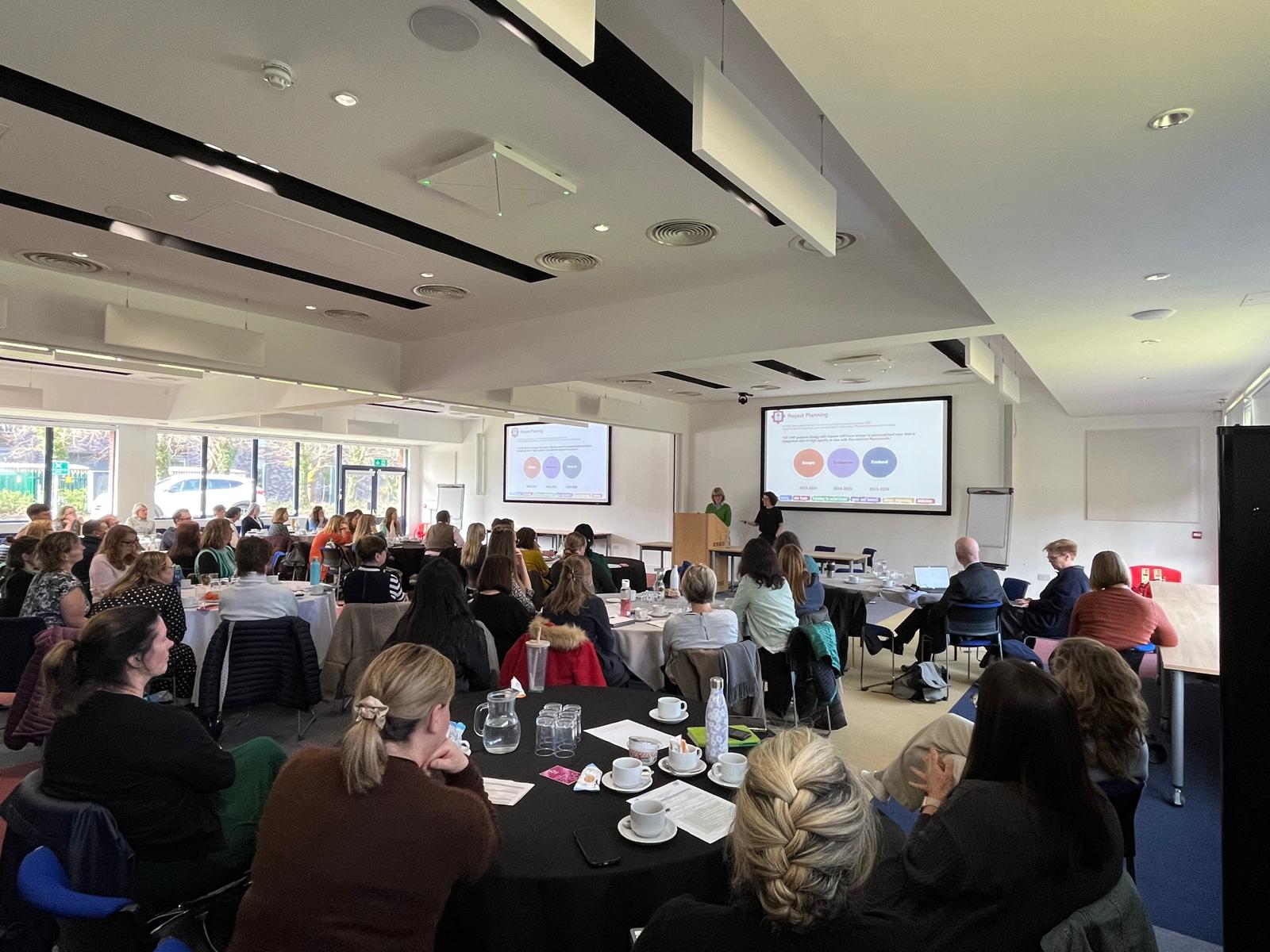

We hugely welcome this ambitious plan to boost workforce numbers and build capacity in our cancer team over the course of its 15-year lifespan. The Alliance will work collaboratively with our system partners and our patient population to ensure ongoing alignment of our WCA Cancer Workforce Strategy launched Summer 2022 with the national plan.
Useful links
Cancer Workforce Strategy
Workforce Projects
Education and Training page
Physician Associates
Allied Healthcare Professionals
Pathway Navigators
Educating the Cancer Nursing workforce
ARRS toolkit